A septic system rarely fails at the tank. It almost always fails in the ground beyond it. A septic drain field in Woodbine, MD can work perfectly for decades and then start pushing water to the surface, and the reason is a biological layer most homeowners have never heard of. Understanding that layer tells you which habits shorten a field’s life and which warning signs still leave you time to act. This guide covers the mechanism, the symptoms, the safety rules, and the point where the situation needs a professional.
How the System Is Supposed to Work
Your septic tank is a settling chamber, not a treatment plant. Solids sink to form sludge, grease floats to form scum, and relatively clear liquid in the middle flows out through an outlet baffle.
That liquid, called effluent, travels to a distribution box and then into perforated pipes laid in gravel trenches. Those trenches are the septic drain field. The actual treatment happens in the unsaturated soil beneath them, where oxygen breathing bacteria break down organic matter and pathogens before the water reaches groundwater. The EPA septic systems program describes this arrangement in detail.
The Mechanism: What Biomat Is and Why It Clogs
At the point where effluent meets soil, bacteria colonize the surface and build a black, slimy layer called the biomat. Do not think of it as contamination. A thin biomat is a working part of the system, because it slows infiltration enough to give the soil below time to treat the water.
The trouble starts when that layer thickens. Bacteria in the biomat are anaerobic, and they produce dense byproducts that fill the pore spaces between soil particles. As the pores seal, the rate at which soil can accept water drops.
A healthy system stays balanced because the trench drains between doses and oxygen re-enters the soil, which lets aerobic bacteria consume the biomat from above. When water arrives faster than the soil can accept it, the trench never drains, oxygen never returns, and the biomat grows unchecked. That is the core of almost every septic drain field failure we investigate.
What Pushes the Balance Over
Three categories of problem overload a septic drain field, and homeowners control most of them.
- Hydraulic overload: A running toilet, a dripping fixture, several loads of laundry in one day, or a water softener discharging to the tank all deliver more water than the trenches can absorb.
- Solids carryover: An overfull tank lets sludge and scum escape past the baffle into the pipes, where solids plug the gravel directly.
- Site damage: Vehicles or equipment parked over the trenches compact the soil. Roots invade the pipe. Downspouts and grading send stormwater over the field.
Soil type matters too. Much of the ground around Woodbine is clay rich, with a slow natural percolation rate that leaves less margin for error. You can look up the soil series under your own property with the Web Soil Survey from the USDA Natural Resources Conservation Service.
Warning Signs in a Woodbine Yard
A failing field announces itself gradually. Watch for these, roughly in the order they appear:
- Drains and toilets across the house slow at the same time.
- Grass over the trenches grows greener and faster than the rest of the lawn.
- The ground over the field feels spongy underfoot days after rain stopped.
- A sewage odor appears outdoors, strongest on humid days.
- Water pools or surfaces in strips that match the trench layout.
- Sewage backs up into the lowest drain in the house.
The first three are your real opportunity. Once effluent reaches the surface, the options narrow considerably.
A Woodbine Green Stripes Scenario
Picture a homeowner in Woodbine who notices a strip of unusually dark green grass running across the back yard, even though nothing is backing up inside the house.
In a case like this, those stripes are usually the trenches themselves. Effluent ponding high enough in the gravel lets nutrients reach the root zone, which is exactly what feeds the grass. A likely contributor inside the house is something like a guest bathroom toilet that has been running intermittently for months, quietly adding a large extra load every week.
The typical response is to have the tank pumped and inspected, confirm the baffle is intact, and repair the toilet. Reducing the hydraulic load gives the trenches a chance to drain and re-aerate between doses. Not every field recovers that way, but the ones caught before surfacing recover far more often.
Habits That Extend a Septic Drain Field’s Life
The maintenance list is short and genuinely effective.
- Have the tank pumped on an interval set by household size and tank volume, not by whether anything looks wrong.
- Fix running toilets and dripping fixtures promptly.
- Spread laundry across the week instead of running every load on one day.
- Keep vehicles, trailers, and livestock off the trenches.
- Route downspouts, sump discharge, and driveway runoff away from the field.
- Keep wipes, grease, paper towels, and harsh chemicals out of the drains entirely.
Our septic system services page explains what a service visit covers. If drains are slowing before any yard symptoms appear, a video pipe inspection can show whether the building drain or the line to the tank is the real bottleneck.
Safety Guidance for Septic Systems
Septic systems cause serious injuries every year, and the rules below are absolute.
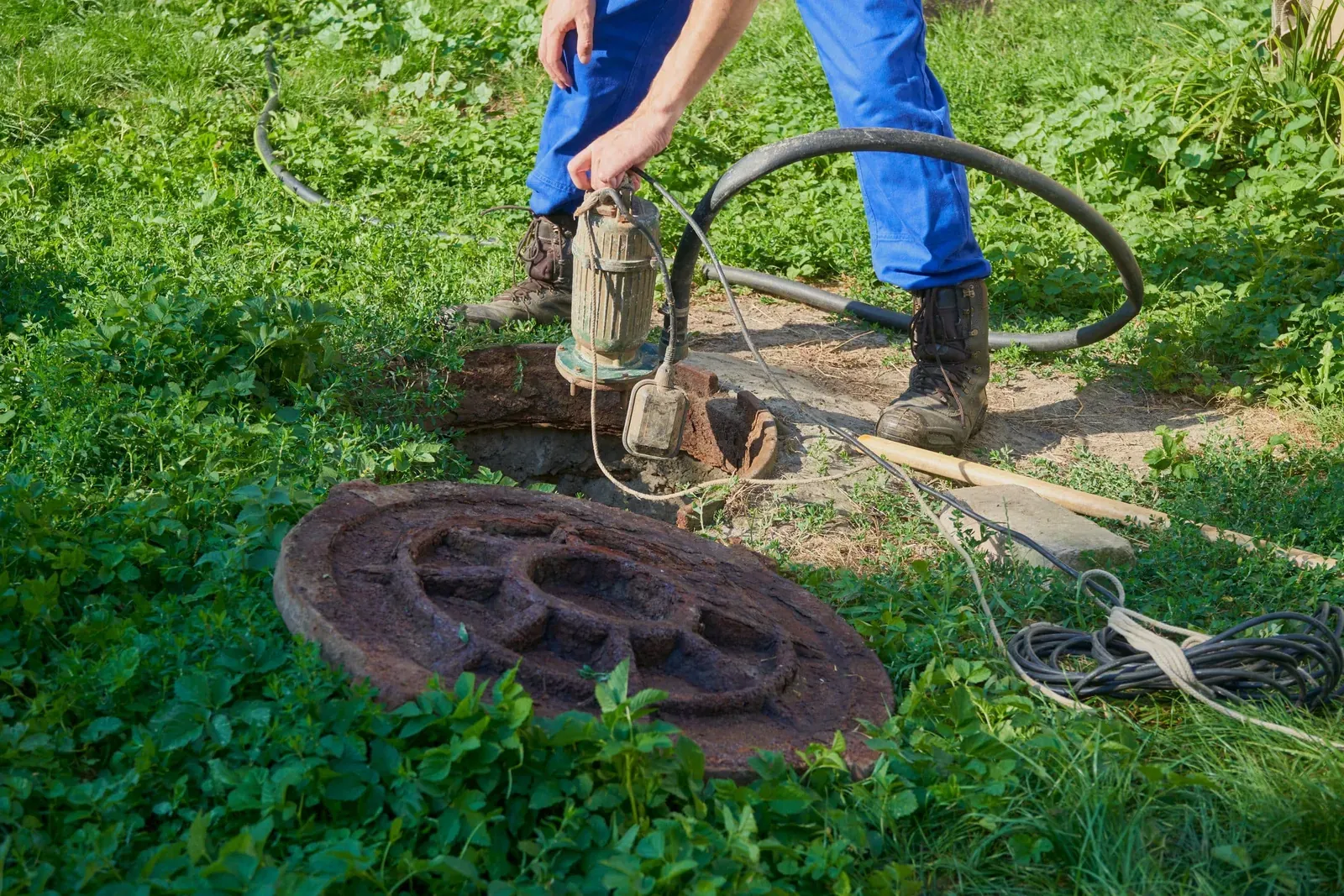
- Never enter a septic tank or lean into an open one. Tanks contain hydrogen sulfide and methane and can be immediately oxygen deficient.
- Keep tank lids secured and in good condition. A deteriorated lid is a fall hazard for children and animals.
- Treat surfaced effluent as contaminated. Keep people and pets off it and wash thoroughly after any contact.
- Do not add chemicals or solvents to clean a system. They kill the bacteria doing the treatment work.
- If your property also has a well, protect it. The EPA private wells program explains separation and contamination risks.
When to Call a Professional
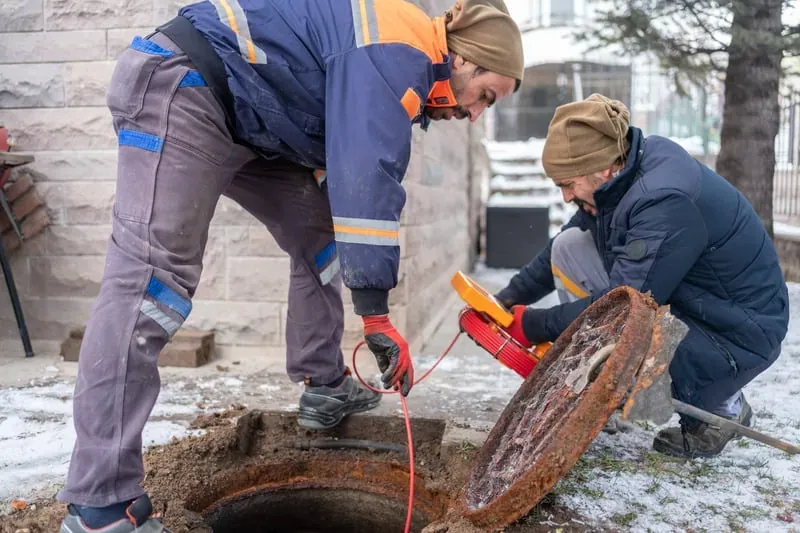
Call us when multiple fixtures slow together, when the yard smells, or when the ground over the trenches stays wet in dry weather. Call immediately if sewage surfaces anywhere on the property.
The first thing we check is the tank level relative to the outlet. An abnormally high level means effluent is not leaving, which points at the septic drain field rather than the tank. If the level is normal and the house still drains poorly, the problem sits between the fixtures and the tank, and that is a different repair entirely.
Frequently Asked Questions
Can a clogged septic drain field be restored?
Sometimes. Reducing hydraulic load and resting the field can let aerobic conditions return and thin the biomat. A field that has ponded to the surface for a long stretch usually needs replacement.
How often should the tank be pumped?
It depends on tank size, household size, and water use rather than a single universal figure. A pumping and inspection record is the only reliable way to set your interval.
Do additives help a septic drain field?
There is no substitute for pumping and load control. A healthy tank already contains the bacteria it needs to function properly.
Why does the yard smell worse in humid weather?
High humidity and low barometric pressure slow the dispersion of gases at the surface. The odor is not new, it simply lingers longer.
Next Step for Woodbine Homeowners
If the grass over your trenches is greener than the rest of the lawn, or your drains have all slowed at once, act while you still have choices. Call Mallick Plumbing & Heating to schedule a septic evaluation in Woodbine. We will check tank levels, baffle condition, and the distribution box, then tell you plainly what your septic drain field needs. Our drain and sewer services page explains the rest of what we handle.