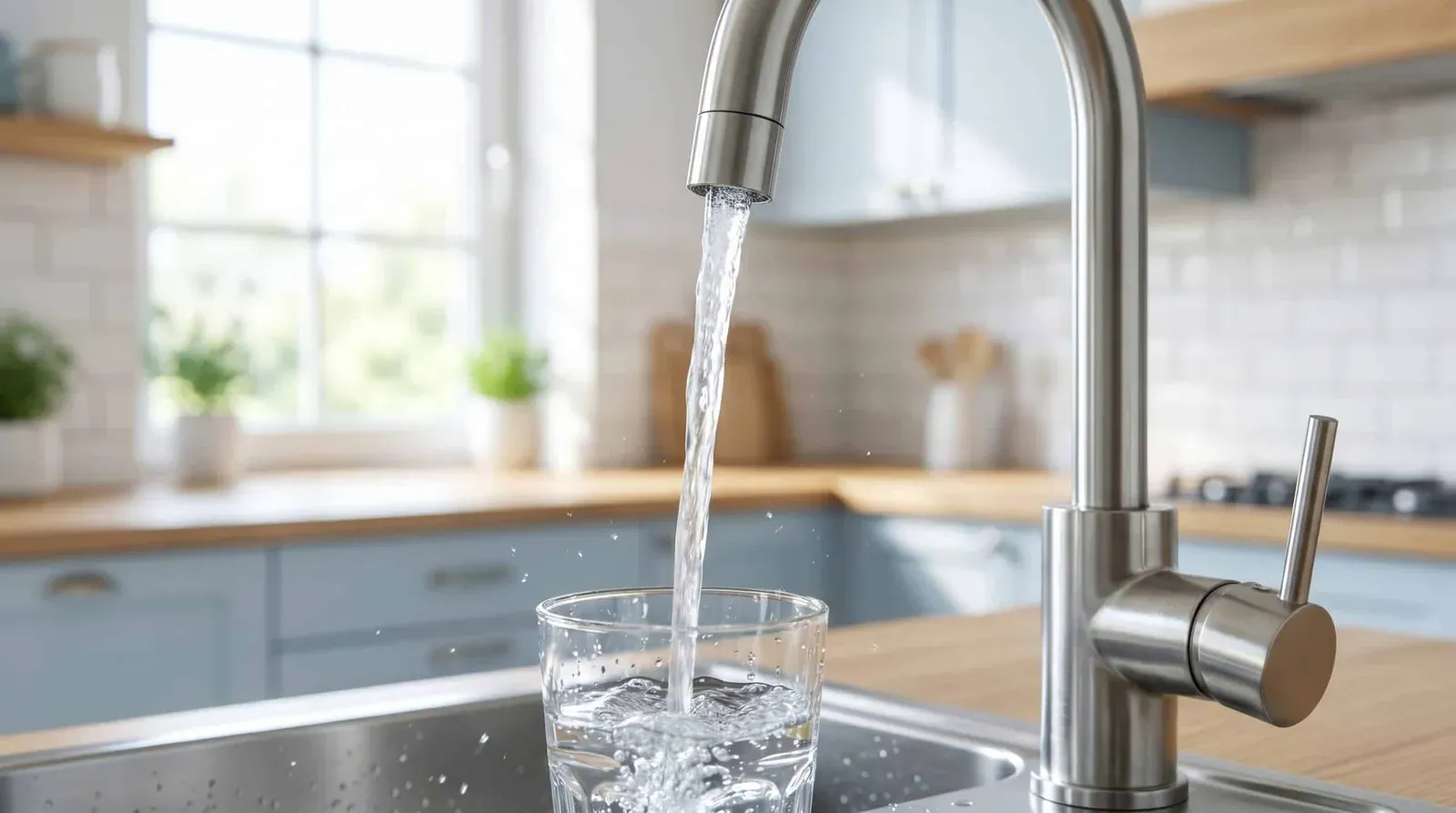
There’s nothing more frustrating than stepping into the shower and realizing your water pressure feels more like a drizzle than a downpour. Low water pressure can make everyday tasks-from washing dishes to doing laundry-take twice as long and feel half as satisfying.
The good news? You don’t always need to replace your pipes to fix the issue. Here’s how you can improve your home’s water pressure-no major renovation required.
1. Check for Hidden Leaks
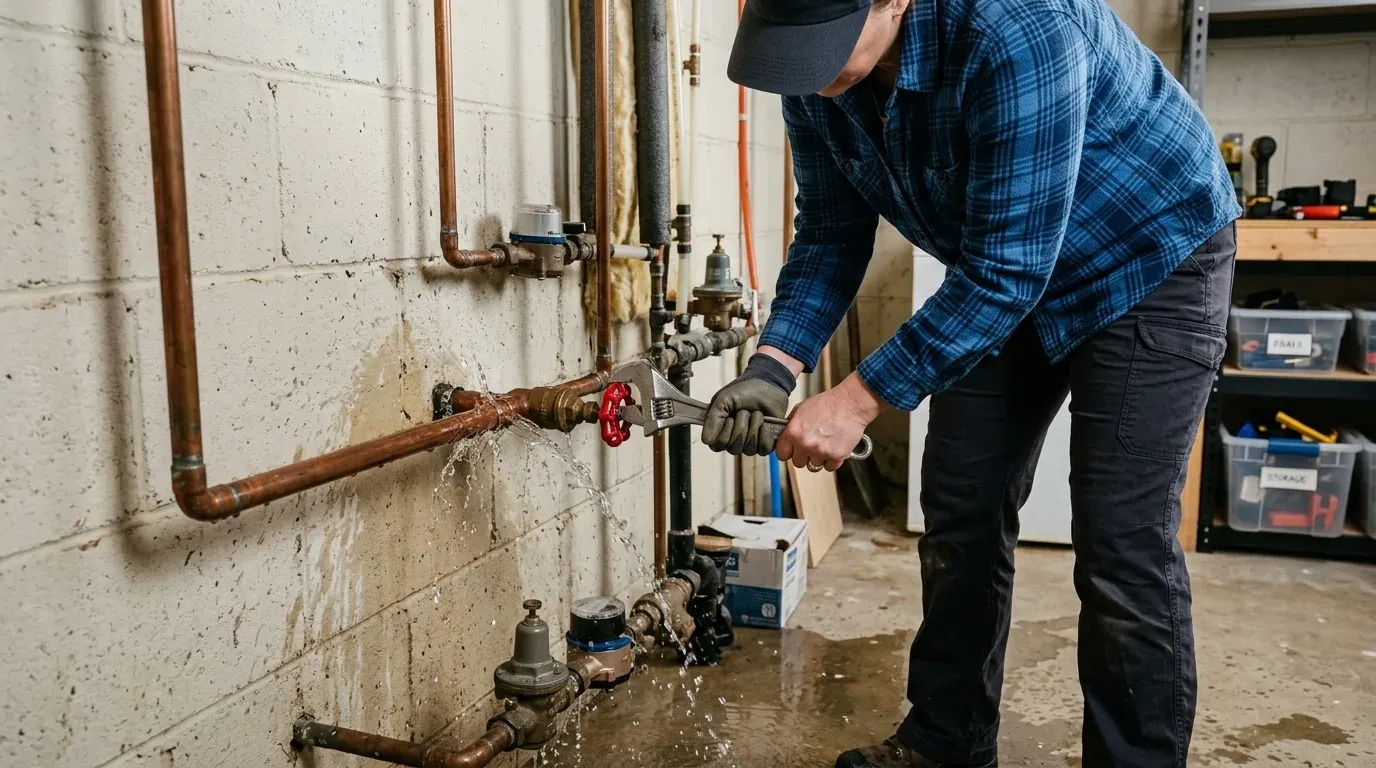
Even small leaks can reduce overall water pressure by allowing water to escape before it reaches your fixtures.
At Mallick Plumbing, our team uses advanced leak detection technology to pinpoint even the smallest leaks without tearing into walls.
Pro Tip: Check your water meter when no fixtures are in use. If it continues to run, you likely have a hidden leak.
2. Clean or Replace Clogged Aerators and Showerheads
Mineral buildup from Maryland’s naturally hard water can clog faucet aerators and showerheads over time, restricting flow.
You can easily unscrew the aerator, rinse it with vinegar, and remove sediment or debris. For showerheads, soaking them overnight in white vinegar often restores proper water flow.
3. Inspect Your Pressure Reducing Valve (PRV)
Many Maryland homes have a pressure-reducing valve installed where the main water line enters the house. Over time, this valve can wear out or become misadjusted, lowering your home’s water pressure.
If your pressure seems uniformly low across all fixtures, a faulty PRV may be the culprit. Our licensed plumbers can test your water pressure and recalibrate or replace the valve to restore optimal flow-no new pipes needed.
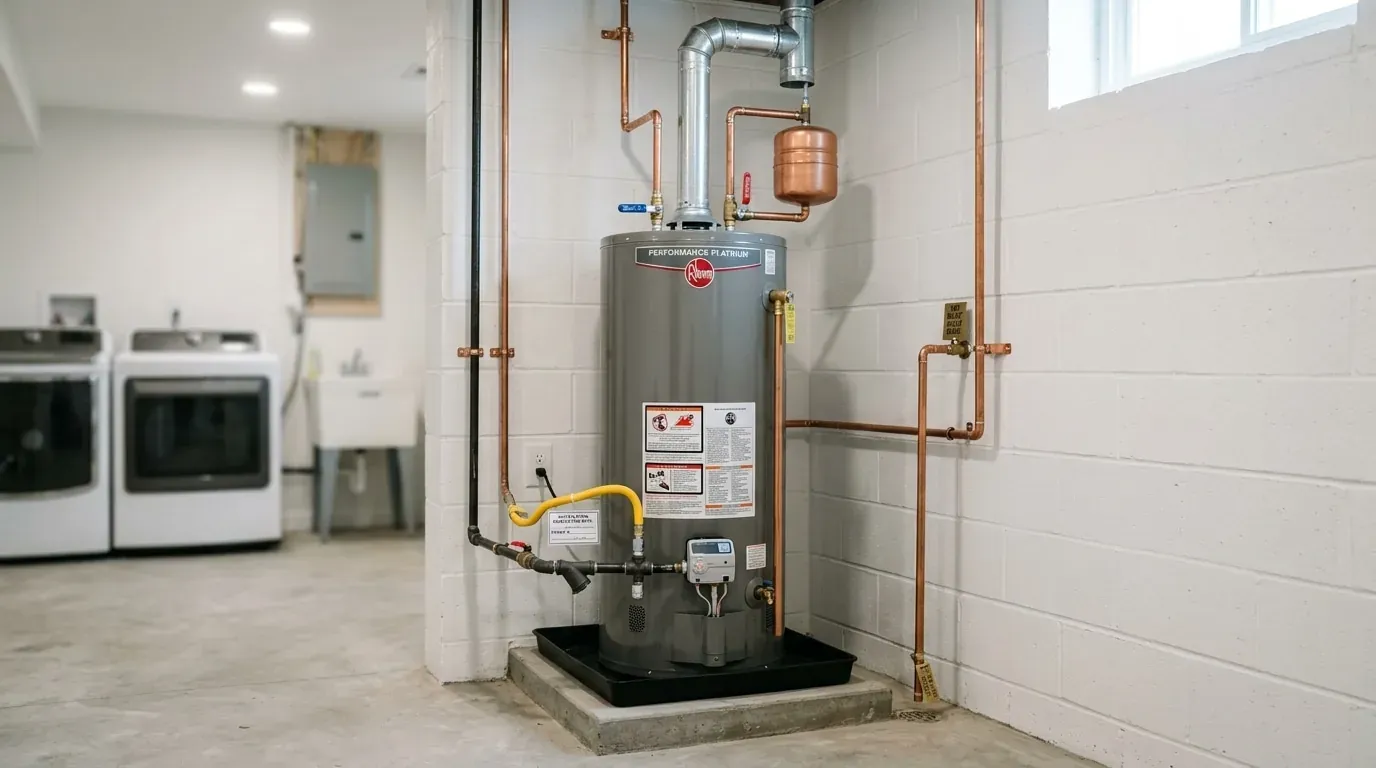
4. Flush Your Water Heater
Sediment buildup doesn’t just affect your hot water-it can also restrict overall water flow. Flushing your water heater once a year helps remove mineral deposits and improve both performance and pressure.
If your home’s hot water pressure is lower than the cold water pressure, this is a strong indicator of buildup in the tank. Our technicians can perform a professional water heater flush to restore performance safely and efficiently.
5. Replace Old or Corroded Fixtures
Sometimes, it’s not your pipes-it’s your fixtures. Aging faucets, showerheads, and valves can corrode internally, restricting water flow even if your plumbing system is in good shape.
Modern fixtures are designed to conserve water and deliver consistent pressure, so upgrading your bathroom or kitchen fixtures can instantly improve performance.
6. Test Your Water Pressure
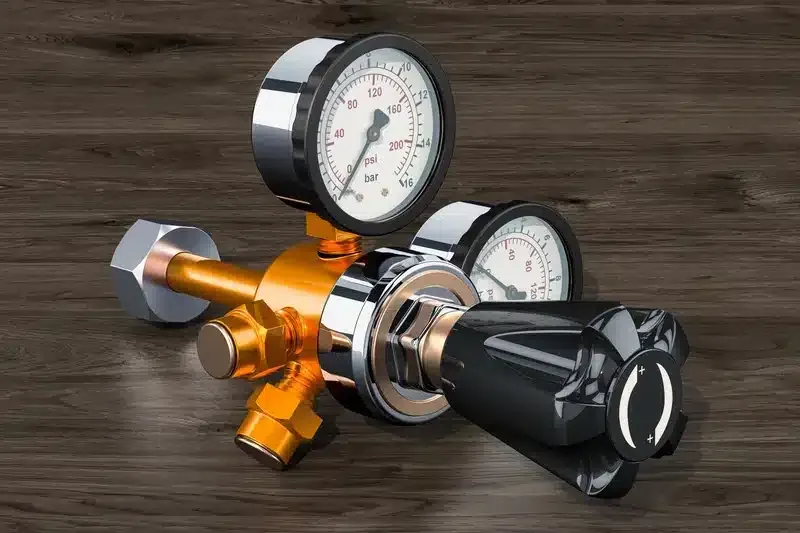
The average home’s water pressure should measure between 40–60 psi (pounds per square inch). Anything lower than 40 psi indicates a problem that needs attention.
You can test your water pressure using a simple gauge that attaches to an outdoor spigot-or you can schedule a home plumbing inspection with Mallick Plumbing for a full system check.
7. Consider a Pressure Booster Pump
If your home is at the end of a municipal water line or on higher ground, low incoming pressure may be the cause. In these cases, installing a pressure booster pump is an excellent long-term solution.
This small device increases water flow throughout your home without overburdening your plumbing. Our team can assess your system and recommend the right model to meet your home’s needs.
Why Choose Mallick Plumbing for Low Water Pressure Solutions in Maryland
With over 25 years of experience serving homeowners across Frederick, Rockville, and Montgomery County, Mallick Plumbing & Heating is Maryland’s trusted choice for reliable plumbing solutions.
We specialize in diagnosing and resolving low water pressure issues using advanced tools, not guesswork.
Schedule Your Water Pressure Inspection in Maryland Today
Don’t let low water pressure slow you down. Call Mallick Plumbing today or schedule an appointment online to restore strong, reliable water flow to your home.
FAQ
Q: How do I know if low water pressure is a plumbing issue or a city supply issue? A: If all your neighbors have low pressure, it’s likely a municipal problem. If it’s just your home, call a professional to inspect your system.
Q: What’s the ideal water pressure for a Maryland home? A: Typically, between 50–60 psi provides the best balance between comfort and safety.